1-888-569-7562

Septic Tank Pumping — The Maintenance You Can't Skip

Regular septic pumping prevents system failure, yard flooding, and costly repairs. We connect you with licensed septic service professionals.

Call Now — Free
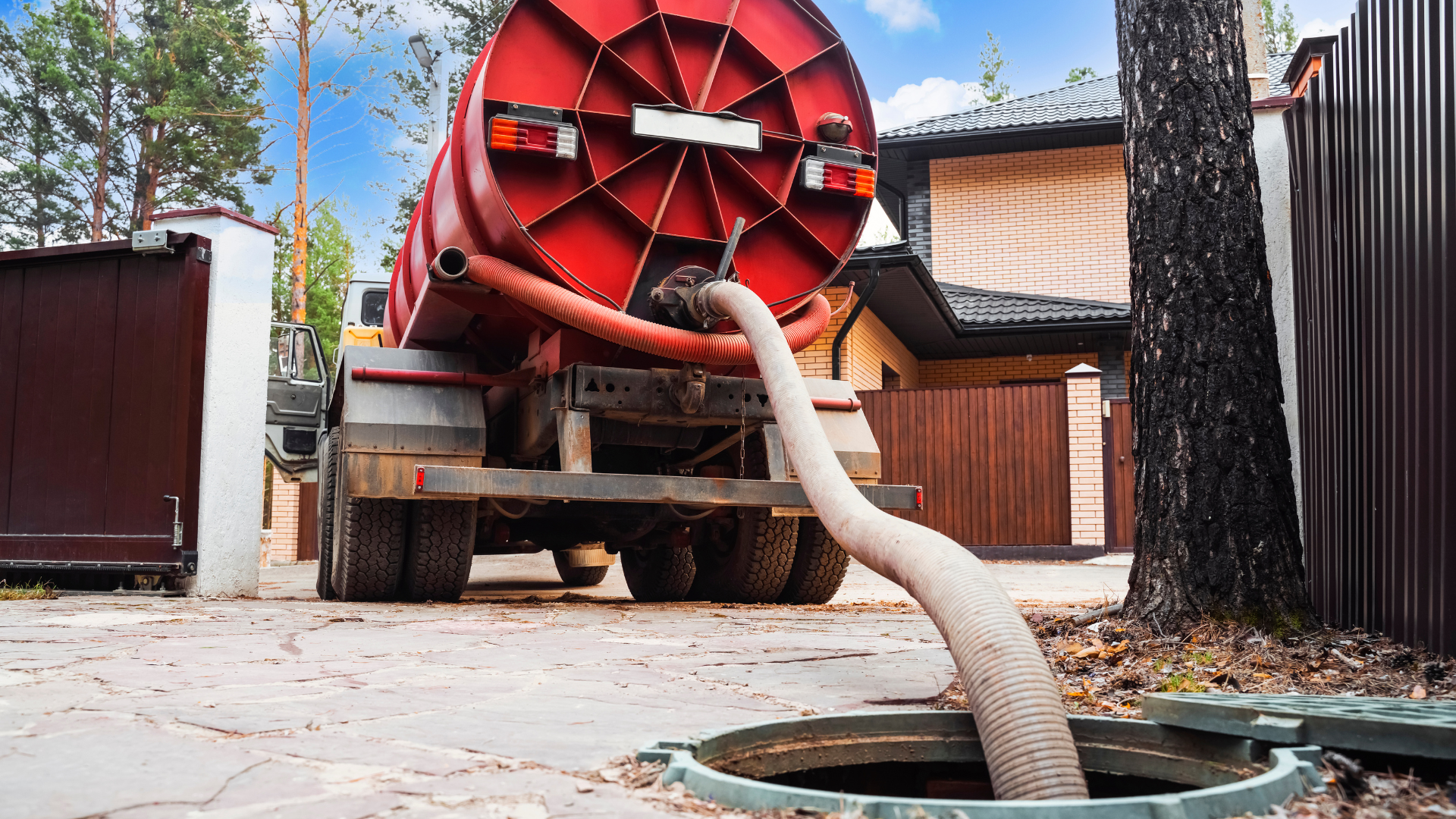
Septic Tank Pumping — professional plumber at work

If your home has a septic system, regular tank pumping is the single most important maintenance task you can perform. A neglected septic tank accumulates solid waste until it overwhelms the system, pushing solids into the drain field where they clog the absorption soil — resulting in sewage surfacing in your yard, drain field failure, and repairs that can cost $10,000–$30,000.

Got Plumbing USA connects you with licensed septic service professionals who pump, inspect, and maintain residential septic systems.

When Was Your Last Pump?

Most tanks need pumping every 3–5 years. Call to schedule.

1-888-569-7562

How Septic Pumping Works

  1. The technician locates and opens the septic tank access lids.
  2. A vacuum truck extracts all liquid, sludge, and floating scum from the tank.
  3. The technician inspects the tank interior for cracks, baffles, and structural integrity.
  4. The inlet and outlet are checked for proper flow.
  5. Access lids are sealed and the area is cleaned up.

How Often to Pump

The general guideline is every 3–5 years, but the exact frequency depends on tank size (typically 750–1,500 gallons), number of people in the household, water usage habits, and whether you use a garbage disposal (which adds solids and increases pumping frequency to every 2–3 years).

Cost

Septic tank pumping typically costs $250–$600 depending on tank size and accessibility. This is one of the best values in home maintenance — the cost of pumping is a tiny fraction of the $10,000–$30,000 cost of drain field replacement from neglected maintenance.

Protect Your Septic System

Scheduled pumping prevents the most expensive repair in residential plumbing. Call now.

1-888-569-7562

Septic Tank Pumping Questions

How do I know if my septic tank needs pumping?+
Signs include slow drains throughout the house, sewage odors in the yard, soggy or unusually green patches over the drain field, and sewage backing up into the lowest drains. However, you shouldn't wait for symptoms — schedule pumping every 3–5 years proactively.
What should I avoid putting in my septic system?+
Never put grease, chemicals, paint, medications, feminine products, wipes (even "flushable" ones), or bleach in large quantities down drains. These harm the beneficial bacteria that break down waste in the tank.
Can I find my septic tank myself?+
Your home's as-built plans or septic permit (available from your county health department) show the tank location. You can also look for a slight mound, greener grass, or probe with a metal rod. Septic professionals can locate it quickly.

Got a Plumbing Problem?
Call Now.

Licensed plumbers standing by 24/7. One call and we'll connect you with a vetted professional in your area.

1-888-569-7562
Got a Problem? Call Now — 24/7